systems / cyrus-v2
Cyrus-v2
An agent-orchestration platform with a budget and a scheduler
Agents are cheap. Budgets, schedules, and evidence are the platform.
- Period
- March 2026
- My role
- Sole human author. Designed the relay, orchestrator, metering, scheduling, and PM agent on top of a forked project tracker, and built them with coding agents I directed and reviewed.
- State
- Working platform, phases one through five complete with passing test reports. The harness I use to run agents against real backlogs.
- 5Agent providers behind one interfaceClaude Code, Codex, Gemini, OpenCode, OpenClaw
- 22 / 22Metering testsbudgets, rate limits, throughput, forecasting
- 26Orchestrator tools exposed to the PM agent
- ≈5K linesCyrus-specific coderelay plus orchestrator, metering, scheduling, lifecycle
- TypeScript
- Python
- Django
- Postgres
- Claude Code
- Codex
- Gemini CLI
- OpenCode
- OpenClaw
- Langfuse
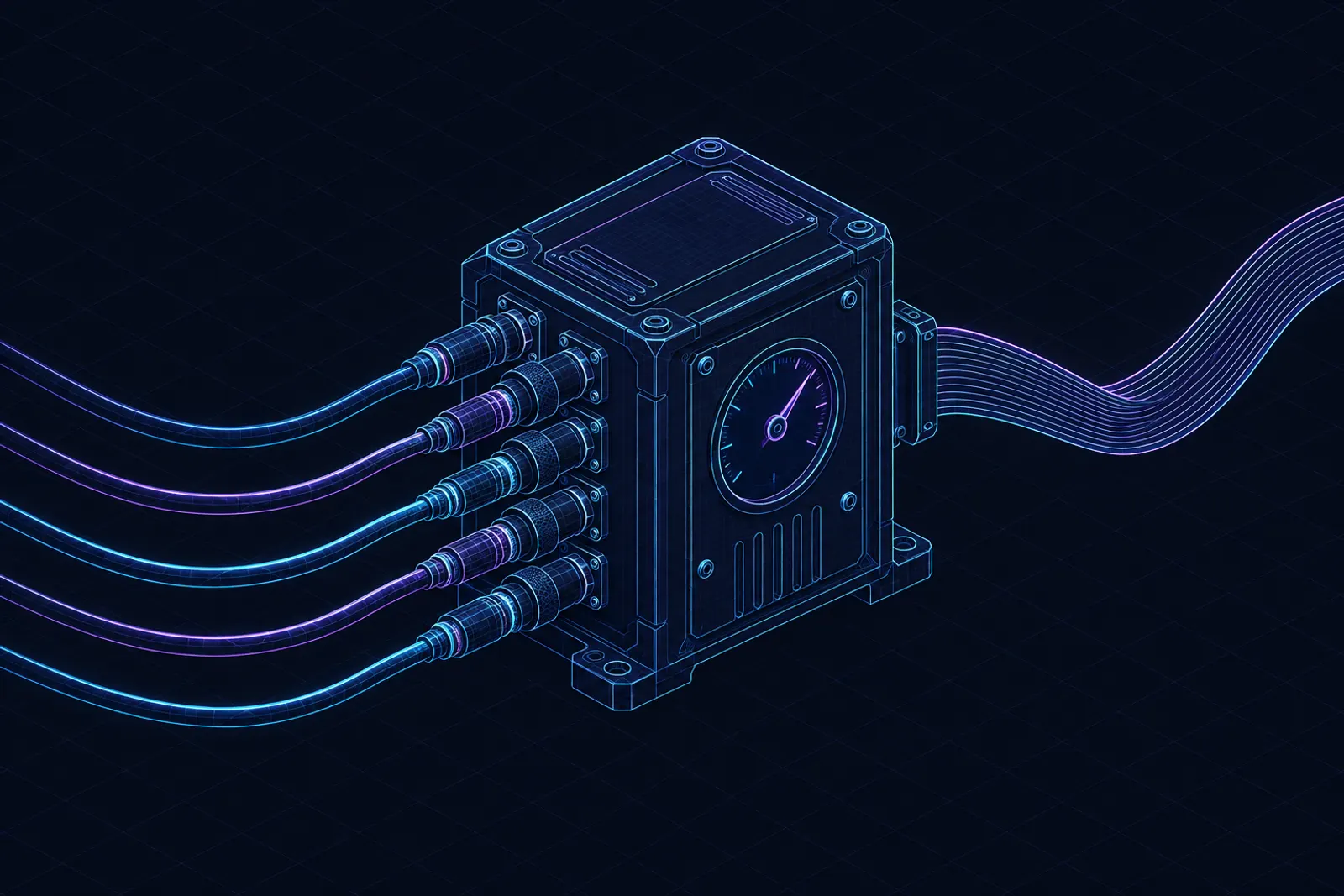
Diagram nodes, in flow order: Work items (forked tracker · Postgres); Cyrus PM agent (groom · triage · audit); Scheduler (priority · cooldown · circuit breaker); Metering (pool budgets · rate limits); Relay (one event stream); Coding agents (Claude Code · Codex · Gemini · OpenCode); Lifecycle audit (compliance before done); Me (escalations only).
Why a second Cyrus
The first Cyrus was a 2023 project, built on the original release of LangChain: a low-code framework for event-driven multi-agent apps with deterministic prompt bundles, YAML function contracts, mixed-model routing, and a session cache. It taught me that the agent loop is the easy part. What I actually needed by 2026 was a way to run several coding agents against a real backlog without blowing through a subscription or losing track of what they'd done.
The architecture
Work items are the unit. I forked an open-source project tracker so that stories, cycles, goals, and KPIs already existed with a database and an API. Cyrus adds compute pools, allocations, sessions, and usage records as first-class models.
The relay is a TypeScript service that spawns coding agents as subprocesses and normalizes their output into one event stream. Claude Code, Codex, Gemini CLI, and OpenCode each have an adapter; OpenClaw talks over a gateway protocol. Every adapter reports token usage with cache reads, cache writes, reasoning tokens, and a per-model cost breakdown, because "how much did that cost" is the first question I ask.
Metering tracks each session against its compute pool: financial budget for API-billed pools, rate limits and throughput for subscription pools, with an uncertainty margin applied to estimates. It refuses dispatch when a budget is exhausted and warns at ninety percent.
The scheduler computes a dispatch plan from active allocations: effective priority, cooldowns, circuit breakers on repeated failure, a lock so two schedulers can't collide, and an intensity setting derived from budget runway. When a pool runs dry it files a blocker on the work item instead of silently stalling.
Lifecycle wraps start and complete. Completion runs a compliance audit and posts a report to the work item; a story without a description or evidence doesn't get to close.
The Cyrus PM agent runs on OpenClaw between dispatches: visionary ideation, backlog grooming, janitor triage, and alignment audits, each a scheduled heartbeat loop with access to twenty-six orchestrator tools through a management command. Worker agents get a "completion maestro" skill that forces pre-flight checks and ground-truth verification before code changes.
What the tests cover
Phase reports in the repo record the metering engine at 22 of 22 tests passing: budget checks, rate-limit monitoring, throughput validation, capacity forecasting. Integration scripts exercise dispatch through a mock relay, subscription pools, and budget aggregation across sessions. There are live-dispatch tests I run by hand against real agents.
What it's for
It is the harness behind a lot of the software on this site. It is also a research vehicle for the question I keep coming back to: what has to be deterministic for an autonomous system to be trustworthy? My answer so far is budgets, schedules, and evidence.
Cyrus-v2, in twenty-five seconds
Cyrus-v2 turns a backlog into agent sessions: five coding agents behind one relay, every token metered, a scheduler that knows when to stop, and a PM agent that grooms the board while you sleep.